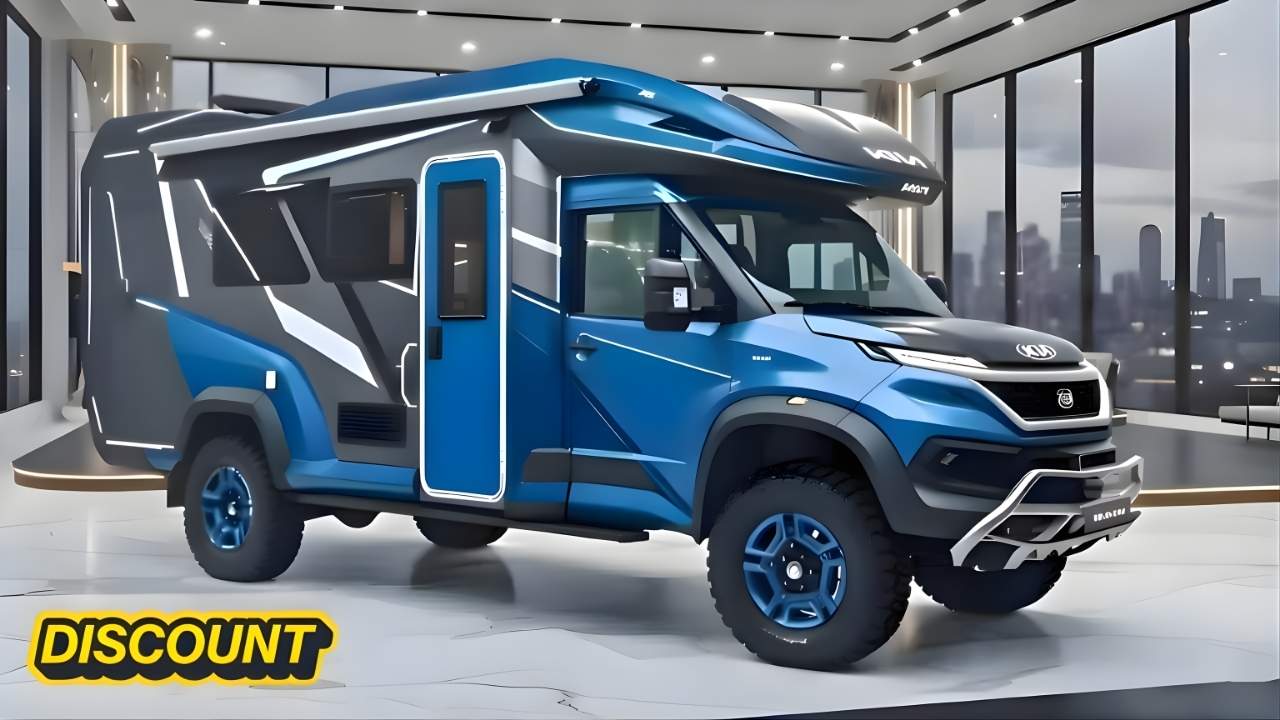
A Fresh Look at the 2026 Kia Motorhome
The surge in road‑trip enthusiasm and the desire for flexible living spaces have pushed several manufacturers to rethink what a recreational vehicle can be. Kia’s answer is the 2026 Kia Motorhome – a compact yet upscale RV that blends modern styling, versatile interior design, and a suite of smart technologies. Rather than feel like a van that’s been retrofitted for camping, this vehicle is built from the ground up to act as a true mobile home, offering a level of comfort and convenience that rivals larger, more expensive models while staying within reach of a broader audience.
Exterior Design: A Forward‑Thinking Travel Capsule
Kia’s exterior language stays true to its recent design cues: clean surfaces, smooth transitions, and purposeful detailing. The motorhome’s tall, rectangular silhouette gives it an unmistakable presence on the highway, while the slightly raked roofline creates generous headroom inside. LED signature lighting stretches across the front fascia, giving the vehicle a contemporary face that’s easy to spot in a crowded campsite.
Large, low‑profile sliding doors on both sides make loading gear and stepping in and out a breeze, especially when the vehicle is parked on uneven ground. The rear door opens wide, providing a garage‑like entrance that simplifies the movement of bulky items such as bikes or surfboards. Wrapped glass panes—front, side, and rear—flood the cabin with natural light, expanding the sense of space without compromising privacy, thanks to integrated sunshades that can be adjusted with a touch of a button.
A set of compact solar panels sits flush on the roof, offering a modest but reliable source of power for off‑grid adventures. The panels are positioned to avoid reducing interior headroom, and they feed directly into the vehicle’s auxiliary battery system, allowing lights, appliances, and electronics to run without drawing from the main drivetrain.
Interior Layout: Comfort Meets Flexibility
Inside, Kia has taken a minimalist approach that still feels warm and welcoming. The open‑plan layout features a central living zone that can be quickly reconfigured for different activities. Front seats swivel 180 degrees, turning the driver’s area into a lounge space when the vehicle is stationary. A low‑profile dining table folds down from the wall, providing a place for meals, board games, or a laptop workstation.
A compact sofa lines one side of the cabin; it folds flat to become a full‑size bed, complete with a mattress made from high‑density foam. Above the sleeping area, a skylight with electro‑chromic glass can be tinted for privacy or opened to let fresh air in on warm evenings. Soft‑touch upholstery, subtle ambient lighting, and acoustic insulation create a serene environment that feels more like a boutique hotel room than a typical RV.
Smart Technology: Staying Connected on the Road
The motorhome’s infotainment hub features a 12‑inch touchscreen that runs Kia’s latest UVO platform, tailored for recreational travel. The navigation system highlights RV‑friendly routes, low‑clearance bridges, and campgrounds with electric hookups. Voice control lets drivers adjust climate, lighting, and media without taking their hands off the wheel.

Every seat is equipped with USB‑C and USB‑A ports, while an integrated wireless charging pad sits on the central console. The cabin’s Wi‑Fi extender boosts signal strength in remote locations, and a dedicated LTE antenna ensures a stable connection for streaming or remote work.
Through the Kia Connect app, owners can monitor battery state‑of‑charge, temperature, and security alerts from their phones. The app also lets users pre‑condition the interior climate before boarding, schedule charging sessions, and locate nearby service stations equipped to handle the hybrid or electric powertrains.
Practical Amenities for Everyday Travel
Functionality is woven into every corner of the 2026 Kia Motorhome. The kitchenette occupies one side of the cabin, featuring a single‑bowl sink, a portable induction cooktop, a compact 7‑liter refrigerator, and overhead cabinets with moisture‑resistant liners. A pull‑out pantry shelf provides space for dry goods, while magnetic strips hold knives and utensils safely out of the way.
The bathroom is modest but well thought out: a wet‑room layout with a low‑profile showerhead, a cassette‑type toilet, and a small vanity with a mirrored LED. A vented exhaust fan helps control humidity, and a hidden storage nook beneath the vanity holds toiletries and towels.
Additional storage solutions include under‑seat compartments, roof‑mounted cargo racks, and a lockable rear trunk that can accommodate larger luggage or sports equipment. All lighting fixtures are LED and dimmable, allowing users to set mood lighting or conserve power when needed.
Powertrain Options: Hybrid and Fully Electric
Kia offers two powertrain choices to suit different travel philosophies. The hybrid variant pairs a 2.0‑liter turbocharged engine with a 150 kW electric motor, delivering a combined output of 210 hp. This setup prioritises range, offering up to 550 km on a single tank of gasoline plus electric assistance, making it ideal for long‑distance road trips across regions with limited charging infrastructure.
The fully electric version boasts a 95 kWh battery pack capable of delivering roughly 480 km of range under typical RV load conditions. Fast‑charging capability allows the battery to go from 10 % to 80 % in about 45 minutes at a 150 kW DC charger. Both models feature regenerative braking, a low‑rolling‑resistance tire package, and an adaptive suspension that smooths out highway undulations while maintaining stability on winding mountain roads.

Advanced driver‑assist features come standard, including lane‑keeping assist, adaptive cruise control, forward collision warning with automatic emergency braking, and a 360‑degree camera system that makes maneuvering in tight campgrounds far less stressful.
Who Might Find This Motorhome Most Appealing
The 2026 Kia Motorhome is built for a broad spectrum of travelers. Couples seeking a compact yet luxurious base for weekend getaways will enjoy the intimate layout and premium finishes. Remote professionals can turn the swiveling front seats into a standing desk, tapping into the built‑in connectivity for video calls and cloud‑based work. Outdoor enthusiasts who value off‑grid capability will appreciate the solar panels, electric drivetrain, and robust storage for gear. Even small families looking for a convenient, low‑maintenance alternative to larger Class A motorhomes will find the flexible sleeping arrangements and practical amenities a good fit.
Pricing Outlook and Market Availability
While Kia has not released an official price list, industry analysts expect the starting price to sit between $75,000 and $85,000 for the hybrid model, with the electric variant commanding a premium of roughly $10,000 more due to the larger battery pack. These figures place the motorhome competitively against traditional mid‑range RVs, offering a more modern design language and advanced tech for a comparable investment.
Initial roll‑out is slated for the United States, Canada, and select European markets in the spring of 2026, with a phased expansion into Asia and the Middle East later in the year. Kia plans to support early buyers with a comprehensive warranty that includes a seven‑year or 100,000‑km coverage on the drivetrain and an eight‑year or 150,000‑km warranty on the battery system for the electric version.
Final Reflections
The 2026 Kia Motorhome signals a clear shift in how manufacturers approach the RV segment. By marrying a sleek, futuristic exterior with an interior that can be re‑imagined on the fly, the vehicle offers a level of adaptability that few current competitors provide. Smart connectivity, sustainable power options, and thoughtful ergonomics make it a compelling choice for the modern traveler who wants the freedom of the open road without sacrificing comfort or environmental responsibility. If Kia can deliver the promised range and reliability, this model may set a new benchmark for compact motorhomes worldwide.
Frequently Asked Questions
1. How long does it take to fully charge the electric version?
Using a 150 kW DC fast charger, the battery can be topped up from 10 % to 80 % in roughly 45 minutes. A home Level 2 charger (7 kW) will take about 12‑14 hours for a complete charge.
2. What is the maximum payload capacity?
The motorhome can safely carry up to 1,200 kg of cargo and passengers combined, which includes water tanks, gear, and any additional accessories.

3. Are the solar panels sufficient to run the cabin’s appliances?
The roof‑mounted panels generate about 1.8 kW under optimal sunlight, enough to power lights, the fridge, and a small media setup while the vehicle is stationary. For extended off‑grid use, an auxiliary battery can store excess energy.
4. Can the interior be customized with optional packages?
Yes, Kia offers several optional packages, including a premium leather interior, an upgraded kitchen with a larger refrigerator, and an expanded bathroom suite with a separate shower enclosure.
5. How does the warranty differ between hybrid and electric models?
Both models receive a seven‑year/100,000‑km powertrain warranty. The electric version adds an eight‑year/150,000‑km battery warranty, while the hybrid’s conventional engine is covered under the same seven‑year terms.
Disclaimer
The information provided in this article reflects publicly available data and industry speculation as of December 2025. Kia’s final specifications, pricing, and market rollout may differ from the details described here. Readers are encouraged to verify details with an official Kia dealer before making any purchasing decisions.
